What to Do If Your Ceramic Coating in Valrico Loses Its Hydrophobic Properties in Ceramic Coating Valrico, FL
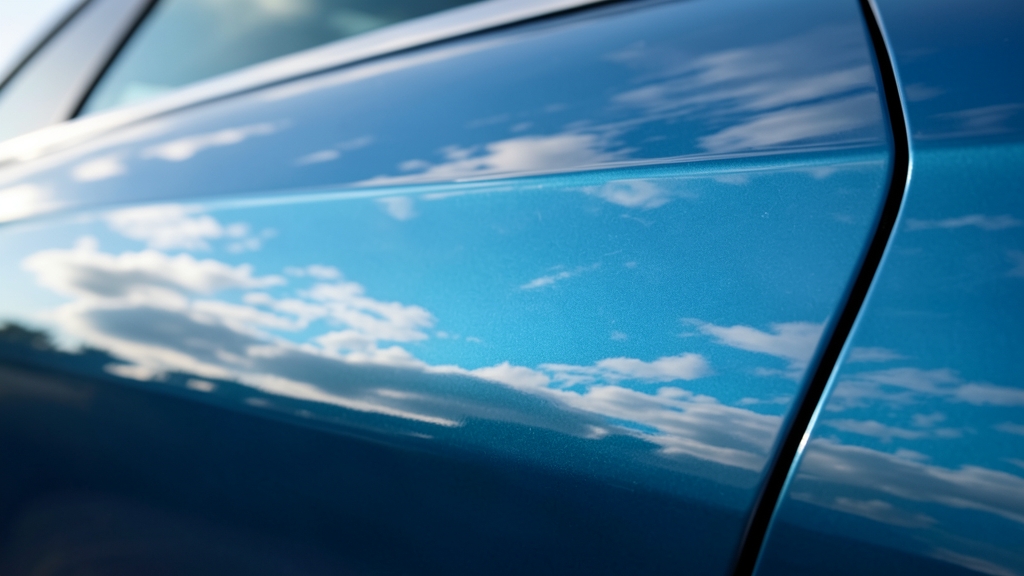
Ceramic coatings are engineered to repel water and contaminants, but even high-quality applications can lose hydrophobicity over time—especially in Valrico’s humid, sun-drenched climate. If your coating’s water-beading fades, it’s not always a sign of failure. Often, it’s a maintenance issue we can fix.
Why Hydrophobic Properties Fade on Ceramic Coatings
The hydrophobic effect in ceramic coatings comes from the SiO2 (silica) or TiO2 (titanium dioxide) matrix bonding to your paint. Over time, environmental contaminants, improper washing, or UV degradation can mask this layer, reducing beading.
Valrico’s intense sun and frequent rain accelerate oxidation and contamination buildup. Even high-quality coatings like those we apply in Brandon or Seffner need periodic care to sustain performance.
Signs Your Ceramic Coating Has Lost Hydrophobicity
Water no longer beads into tight, round droplets. Instead, it sheets or leaves streaks. This is the first red flag.
Dirt and grime cling more stubbornly after drives through Bloomingdale or Lithia’s dusty backroads. Reduced self-cleaning is a clear indicator.
Hydrophobicity Red Flags
- Water sheets instead of beading
- Increased water spotting
- Dirt adheres more than usual
- Reduced gloss or hazy appearance
Common Causes of Hydrophobic Loss in Valrico
Harsh car washes with high-pH soaps strip the coating’s top layer. Always use pH-neutral shampoos designed for ceramic coatings.
Mineral deposits from hard water (common in Dover and surrounding areas) can etch the surface, dulling hydrophobicity. Regular decontamination is key.
Improper drying techniques, like using dirty towels, can introduce micro-scratches that disrupt the coating’s smoothness and water repellency.
Brush-based car washes in Valrico can abrade your coating. Stick to touchless or hand-wash methods to preserve hydrophobicity.
Step-by-Step: Restoring Hydrophobic Properties
Start with a thorough decontamination wash using a clay bar and iron remover. This removes embedded particles that block the coating’s performance.
Follow with a pH-neutral wash and a ceramic coating maintenance spray. These sprays contain SiO2 boosters to refresh the hydrophobic layer without reapplying the full coating.
When to Consider a Professional Refresh
If decontamination and maintenance sprays don’t restore beading, the coating may be nearing the end of its lifespan. In Valrico’s climate, most coatings last 2-5 years depending on the product and upkeep.
For severe cases, we may recommend a light paint correction followed by a ceramic coating top-up. This is common for vehicles frequently driven in Lithia’s rural roads or Dover’s industrial zones.
| Coating Type | Expected Lifespan | Hydrophobic Durability |
|---|---|---|
| Consumer-Grade (DIY) | 1-2 years | Moderate; fades faster in high UV |
| Professional-Grade (SiO2-Based) | 3-4 years | Strong; requires maintenance |
| High-End (Multi-Layer, TiO2-Infused) | 5+ years | Excellent; resilient to contaminants |
Preventative Maintenance for Long-Term Hydrophobicity
Wash your vehicle every 1-2 weeks using the two-bucket method and a grit guard. This prevents dirt from settling into the coating.
Apply a ceramic boost spray every 3-6 months. These sprays replenish the hydrophobic layer, especially after Valrico’s heavy summer rains.
Park in shaded or covered areas when possible. UV exposure breaks down the coating’s polymers, reducing water beading over time.
Air blowers remove water without touching the surface, minimizing the risk of swirl marks that can compromise hydrophobicity.
Ceramic Coating vs. Paint Protection Film (PPF) for Hydrophobicity
While ceramic coatings enhance hydrophobicity, PPF offers a physical barrier against chips and scratches. Many Valrico drivers combine both: PPF on high-impact areas (hood, bumper) and ceramic coating for the rest.
PPF can also be coated with ceramic products for added hydrophobicity. This hybrid approach is popular among clients in Seffner and Bloomingdale who demand maximum protection.
Local Factors in Valrico That Affect Coating Longevity
Valrico’s humidity and frequent afternoon storms mean coatings face constant moisture. This can accelerate the breakdown of weaker products.
Dust from nearby construction in Dover or agricultural activity in Lithia can embed in the coating, reducing its effectiveness. Regular decontamination is non-negotiable.
How to Test Your Ceramic Coating’s Hydrophobic Performance
A simple water test can reveal if your coating’s hydrophobicity is intact.
- 1Clean the Surface
Wash and dry a small section of your vehicle, such as the hood or roof, to remove any dirt or residues.
- 2Apply Water
Use a spray bottle to mist a small amount of water onto the cleaned surface. Avoid direct sunlight for accurate results.
- 3Observe the Beading
If the water forms tight, round beads that roll off easily, your hydrophobicity is strong. If it sheets or flattens, it’s time for maintenance.
- 4Check for Water Spots
After the water evaporates, inspect for mineral deposits or spots. These indicate hard water contamination, common in Valrico.
- 5Compare to Untreated Areas
Test an uncoated section (e.g., under the hood) to compare beading. This helps confirm if the issue is coating-specific.
Frequently Asked Questions
Can I restore hydrophobicity without reapplying the ceramic coating in Valrico?
Yes, in most cases. Start with a deep decontamination wash, followed by a ceramic boost spray. If the coating is still intact but dull, this often revives water beading. For severe cases, a professional refresh may be needed.
How often should I reapply a ceramic boost spray in Valrico’s climate?
Every 3-6 months, depending on exposure. Vehicles parked outside or driven frequently in areas like Brandon or Seffner may need more frequent applications due to higher UV and contaminant exposure.
Does hard water in Valrico affect ceramic coating hydrophobicity?
Absolutely. Hard water leaves mineral deposits that can etch the coating’s surface, reducing its ability to bead water. Always dry your vehicle thoroughly after washing and consider a water softener for at-home washes.
What’s the difference between a ceramic coating and a hydrophobic spray sealant?
Ceramic coatings bond chemically to the paint, offering long-term protection and hydrophobicity (2-5 years). Hydrophobic sprays are temporary (1-6 months) and sit on the surface, providing a quick boost but less durability.
Can I use regular car wax over my ceramic coating to improve hydrophobicity?
No. Wax contains fillers and oils that can clog the coating’s pores, reducing its effectiveness. Stick to pH-neutral products and ceramic-specific boost sprays for maintenance.
Will a ceramic coating on my wheels in Valrico maintain hydrophobicity longer than on the paint?
Wheels endure more brake dust, road grime, and heat, which can degrade hydrophobicity faster. We recommend more frequent maintenance for wheel ceramic coatings, especially in high-traffic areas like Bloomingdale.