The Hidden Risks of Skipping Paint Correction Before Ceramic Coating in Valrico in Ceramic Coating Valrico, FL
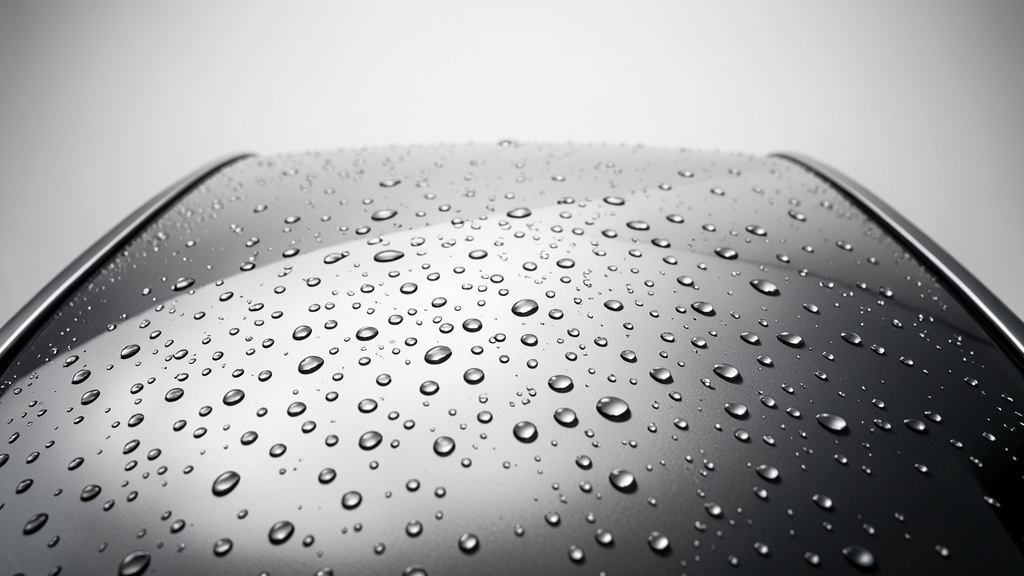
Ceramic coatings promise unmatched gloss and protection, but skipping paint correction first is a gamble. In Valrico’s harsh sun and humidity, imperfections locked under a coating become permanent eyesores—and worse, they compromise durability. We’ve seen it firsthand: swirls, oxidation, and etches don’t disappear under a coating; they’re magnified.
Why Paint Correction Is Non-Negotiable for Ceramic Coating
Ceramic coatings bond to the surface at a microscopic level. If that surface is marred by swirls, scratches, or oxidation, the coating will mirror those flaws—permanently. There’s no ‘hiding’ defects; the high-gloss finish of a quality ceramic product will only make them more visible.
In Valrico’s climate, UV rays accelerate paint oxidation, while frequent rain can etch contaminants into the clear coat. Paint correction removes these defects, restoring clarity and depth before the coating is applied.
Common Paint Defects That Ruin Ceramic Coating Results
Swirl marks from improper washing or automatic car washes are the most frequent culprits. They scatter light, dulling the finish even under a ceramic layer.
Water spots and mineral deposits, common after Valrico’s summer rains, etch into the clear coat. These require compounding to remove—no coating can ‘fill’ them in.
Oxidation, especially on older or single-stage paints, creates a chalky appearance. A ceramic coating won’t reverse this; it’ll just preserve the damaged look.
| Defect | Cause | Effect on Ceramic Coating |
|---|---|---|
| Swirl Marks | Improper washing, automatic car washes | Amplified visibility under high-gloss coating |
| Water Spots | Mineral deposits from hard water | Permanent etching if not removed before coating |
| Oxidation | UV exposure, age | Dull, chalky finish preserved under coating |
| Holograms | Improper machine polishing | Cloudy, distorted reflections |
The Science: How Ceramic Coatings Bond to Paint
Ceramic coatings rely on a chemical bond with the clear coat. This bond is strongest when the surface is free of contaminants and defects. Even microscopic imperfections can weaken adhesion, leading to premature failure.
The coating’s hydrophobic properties work best on a smooth surface. Roughness from uncorrected paint defects traps water and dirt, reducing the self-cleaning effect that makes ceramic coatings so effective.
Always check paint thickness with a gauge before correction. Over-polishing can thin the clear coat, risking burn-through—especially on older vehicles common in Valrico.
What Happens When You Skip Paint Correction in Valrico’s Climate
Florida’s humidity and intense sunlight are brutal on automotive paint. Without correction, existing defects worsen under the coating. Oxidation spreads beneath the surface, and swirls become more pronounced as the coating’s gloss enhances their visibility.
Worse, trapped contaminants like iron particles or tar can cause the coating to fail prematurely. In Brandon or Seffner, where dust and pollen are constant, this is a recipe for peeling or yellowing.
The Paint Correction Process: What to Expect
We start with a thorough decontamination wash to remove embedded dirt and iron particles. This step is critical—even invisible contaminants can interfere with correction.
Next, we assess the paint’s condition. Light swirls may only need a finishing polish, while deep scratches or oxidation require compounding with a dual-action polisher.
For severe defects, wet sanding may be necessary to level the surface. This is common for vehicles from Dover or Lithia, where road debris is a constant threat.
Paint Correction Checklist
- Decontamination wash (iron remover, clay bar)
- Paint thickness measurement
- Compounding for deep defects
- Polishing for clarity and gloss
- Final inspection under multiple light sources
Ceramic Coating Longevity: How Correction Extends Protection
A properly corrected surface ensures the ceramic coating adheres evenly, maximizing its lifespan. In Valrico, where vehicles endure year-round UV exposure, this can mean the difference between a coating that lasts 2-3 years and one that fails in months.
Correction also enhances the coating’s hydrophobic properties. Water beads more effectively on a smooth surface, reducing water spots and making maintenance easier—critical for fleet vehicles in Bloomingdale or commercial vans in Seffner.
Some shops offer ‘coating only’ packages without correction. These often lead to disappointing results, as defects are locked in. Always insist on a full inspection and correction before coating.
Paint Correction vs. Paint Protection Film: When to Choose Both
Paint Protection Film (PPF) offers physical protection against rock chips and scratches, but it’s not a substitute for correction. In fact, PPF should also be applied to a corrected surface to avoid trapping defects underneath.
For high-impact areas like hoods and bumpers, we often recommend a combination: PPF for the front end and ceramic coating for the rest. This hybrid approach is popular among Lithia and Brandon drivers who want maximum protection.
DIY Paint Correction: Risks and Limitations
While DIY kits are available, they’re no match for professional-grade tools and expertise. A dual-action polisher in untrained hands can cause holograms or burn-through, especially on thin clear coats common in older Valrico vehicles.
Professionals also have access to high-quality compounds and polishes tailored to your paint type. We’ve corrected countless DIY mistakes—saving the cost of a repaint far outweighs the upfront investment in professional correction.
How to Prepare Your Vehicle for Ceramic Coating in Valrico
Proper prep is 80% of a successful ceramic coating application—here’s how to ensure your car is ready.
- 1Deep Clean and Decontaminate
Start with a two-bucket wash using a pH-neutral shampoo. Follow with an iron remover and clay bar to eliminate embedded contaminants that washing alone can’t remove.
- 2Inspect for Paint Defects
Under direct sunlight or a high-intensity lamp, check for swirls, scratches, oxidation, or water spots. Note the severity and location of each defect.
- 3Measure Paint Thickness
Use a paint thickness gauge to ensure there’s enough clear coat to safely correct. This step is critical for older vehicles or those with previous bodywork.
- 4Compounding (If Needed)
For deep scratches or heavy oxidation, use a dual-action polisher with a cutting compound. Work in small sections, keeping the pad flat and moving slowly.
- 5Polishing for Clarity
Follow compounding with a finer polish to restore gloss and remove any haze. This step is essential for achieving the mirror-like finish ceramic coatings are known for.
- 6Final Inspection
Wipe down the surface with an IPA solution to remove oils and residues. Inspect under multiple light sources to confirm all defects are addressed.
Frequently Asked Questions
Can ceramic coating fix swirl marks in my car’s paint?
No. Ceramic coatings enhance and protect the existing finish, but they won’t hide or repair swirl marks, scratches, or other defects. Paint correction is required to remove these imperfections before applying a coating.
How long does paint correction take before ceramic coating in Valrico?
The time varies based on the vehicle’s size and the severity of defects. A full correction typically takes 4-8 hours. Larger vehicles or those with heavy oxidation may require additional time.
Is paint correction necessary for a brand-new car before ceramic coating?
Even new cars often have minor defects from dealership prep or transportation. A light polish can enhance gloss and ensure optimal coating adhesion. For new vehicles in Valrico, we recommend at least a one-step correction.
What’s the difference between paint correction and ceramic coating?
Paint correction is the process of removing defects from the clear coat to restore a flawless finish. Ceramic coating is a protective layer applied after correction to enhance gloss, hydrophobicity, and durability. They’re complementary, not interchangeable.
Will skipping paint correction void my ceramic coating warranty?
Most professional-grade ceramic coatings require proper surface prep as a condition of their warranty. Skipping correction can lead to adhesion issues or premature failure, which may void coverage. Always follow the manufacturer’s prep guidelines.
Can I apply ceramic coating over paint protection film (PPF)?
Yes, and it’s a popular combo in areas like Brandon and Seffner. PPF provides physical protection, while the ceramic coating adds hydrophobic properties and UV resistance. However, the PPF must be properly installed and free of defects for the best results.