How to Maintain Your Ceramic Coating for Maximum Durability in Ceramic Coating Valrico, FL
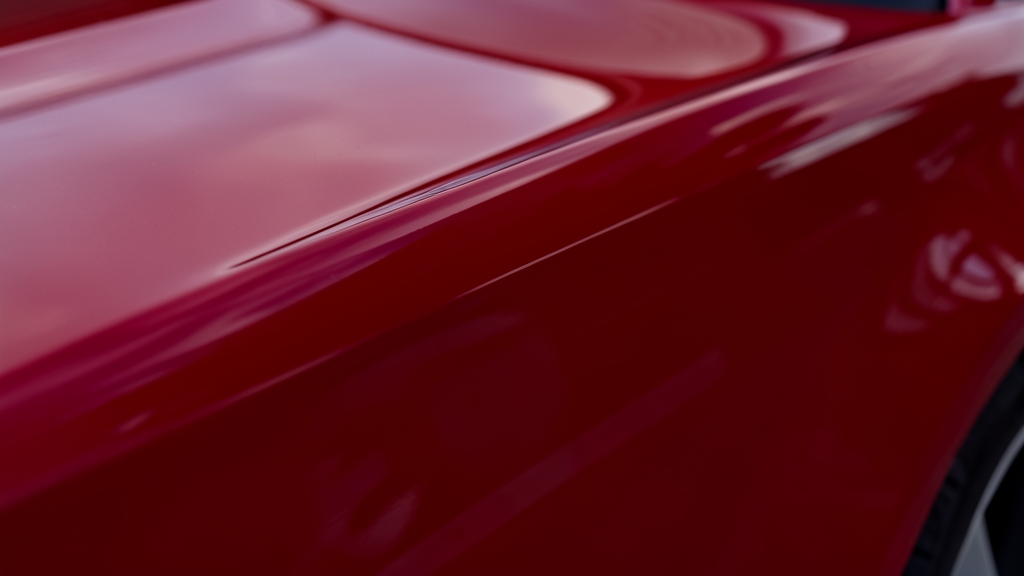
A ceramic coating is a long-term investment in your vehicle’s paint, but its longevity depends on how well you maintain it. In Valrico’s humid, sunny climate, proper care prevents premature degradation and keeps that mirror-like shine. We’ll show you the expert-approved steps to maximize durability and protect your finish.
Why Ceramic Coatings Need Regular Maintenance in Florida
Valrico’s intense UV exposure and high humidity accelerate oxidation and contamination buildup. Even a high-quality ceramic coating like Gtechniq or Ceramic Pro needs routine upkeep to resist these elements.
Without maintenance, water spots from hard water and mineral deposits can etch into the coating. Bird droppings and tree sap—common in neighborhoods like Bloomingdale or Lithia—are acidic and must be removed quickly to avoid permanent damage.
Brush-based car washes in Brandon or Seffner can introduce swirl marks and strip ceramic coatings over time. Stick to hand-washing or touchless systems.
The Right Washing Technique for Coated Vehicles
Always use a pH-neutral car shampoo and a high-quality wash mitt. Harsh detergents or dish soap break down the hydrophobic layer, reducing beading and self-cleaning properties.
Pre-rinse with a foam cannon to loosen dirt before touching the surface. This minimizes swirls and protects the coating’s integrity, especially after driving on dusty roads near Dover.
Decontamination: The Key to Longevity
Even with a ceramic coating, embedded contaminants like iron particles and tar require deep cleaning. Use an iron remover spray and a clay bar every 3–6 months to maintain a smooth, glossy finish.
For wheels and brake calipers—often coated separately—pay extra attention. Brake dust is abrasive and can wear down coatings faster than paint contamination.
Essential Decontamination Tools
- Iron remover spray (e.g., P&S Brake Buster)
- Clay bar and lubricant
- Microfiber applicator pads
- Detailing brushes for wheels and grilles
Ceramic Coating Maintenance Products: What to Use and Avoid
Maintenance sprays or ceramic boosters refresh the hydrophobic properties between full detail sessions. Brands like CarPro Elixir or Gtechniq C2v3 add extra gloss and durability.
Avoid wax or sealants—they can leave residues that interfere with the coating’s performance. Also, steer clear of silicone-based products, which create a hazy buildup over time.
| Product Type | Purpose | Frequency of Use | Best For |
|---|---|---|---|
| pH-neutral shampoo | Safe cleaning without stripping | Every wash (bi-weekly) | All coated surfaces |
| Ceramic booster spray | Enhances hydrophobicity and gloss | Every 2–3 months | Paint, wheels, glass |
| Iron remover | Dissolves embedded brake dust/iron | Every 3–6 months | Paint, wheels, PPF |
| Clay bar | Removes surface contaminants | Every 3–6 months | Paint, glass |
Drying and Post-Wash Care to Prevent Water Spots
Always dry your vehicle with a clean, plush microfiber towel to prevent water spots. In Valrico’s hard water conditions, leaving droplets to air-dry can etch minerals into the coating.
For extra protection, apply a quick detailer spray after drying. This adds a temporary hydrophobic layer and enhances shine, especially useful before summer road trips.
One towel for drying, another for buffing. This prevents reapplying dirt and ensures a streak-free finish.
Seasonal Considerations for Valrico Drivers
Florida’s wet season (May–October) brings more contaminants like pollen and love bugs. Increase washing frequency during this time to prevent yellowing or staining.
In winter, cooler temps mean less UV damage, but morning dew can still cause water spots. A ceramic window tint helps reduce interior heat and UV fading year-round.
When to Seek Professional Help
If you notice reduced beading, excessive water spots, or visible swirls, it’s time for a professional inspection. Our team can perform paint correction and reapply a ceramic booster to restore protection.
For vehicles with paint protection film (PPF) in high-impact areas, combine ceramic coating maintenance with PPF care. This dual-layer approach is popular among fleet and commercial vehicle owners in Seffner and Brandon.
How to Wash a Ceramic-Coated Car in 5 Steps
Follow these steps to clean your coated vehicle without damaging the finish.
- 1Pre-Rinse with Foam
Use a foam cannon to cover the vehicle in a thick layer of pH-neutral shampoo. Let it dwell for 5–10 minutes to lift dirt.
- 2Two-Bucket Wash Method
Wash one panel at a time using a grit guard in your wash bucket. Rinse the mitt frequently to avoid cross-contamination.
- 3Decontaminate as Needed
After washing, use an iron remover spray on wheels and paint. Follow with a clay bar if the surface feels rough.
- 4Rinse and Dry Thoroughly
Rinse all soap residue with a pressure washer or hose. Dry immediately with a plush microfiber towel.
- 5Apply Maintenance Spray
Mist a ceramic booster or quick detailer over the surface and buff with a clean microfiber towel for added protection.
Frequently Asked Questions
How often should I wash my ceramic-coated car in Valrico?
We recommend washing every 2 weeks due to Florida’s humidity, pollen, and hard water. More frequent washes may be needed after heavy rain or dust storms.
Can I use a pressure washer on a ceramic-coated car?
Yes, but keep the nozzle at least 12–18 inches away and use a 40-degree tip to avoid damaging the coating. Never pressure-wash at close range.
Does ceramic coating eliminate the need for wax?
Absolutely. Wax can interfere with the coating’s hydrophobic properties. Use only ceramic-specific maintenance products.
What’s a way to remove bird droppings from a ceramic coating?
Remove them immediately with a damp microfiber towel and a pH-neutral cleaner. For dried droppings, use a detailer spray to soften before wiping.
How do I know if my ceramic coating is failing in Valrico’s climate?
Signs include reduced water beading, increased water spots, or a dull appearance. If maintenance doesn’t restore performance, the coating may need reapplication.
Is ceramic coating maintenance different for wheels and paint?
Yes. Wheels endure more brake dust and heat, so they require more frequent decontamination and specialized ceramic wheel coatings for durability.