Why Ceramic Coatings Fail Early and How to Avoid It in Ceramic Coating Valrico
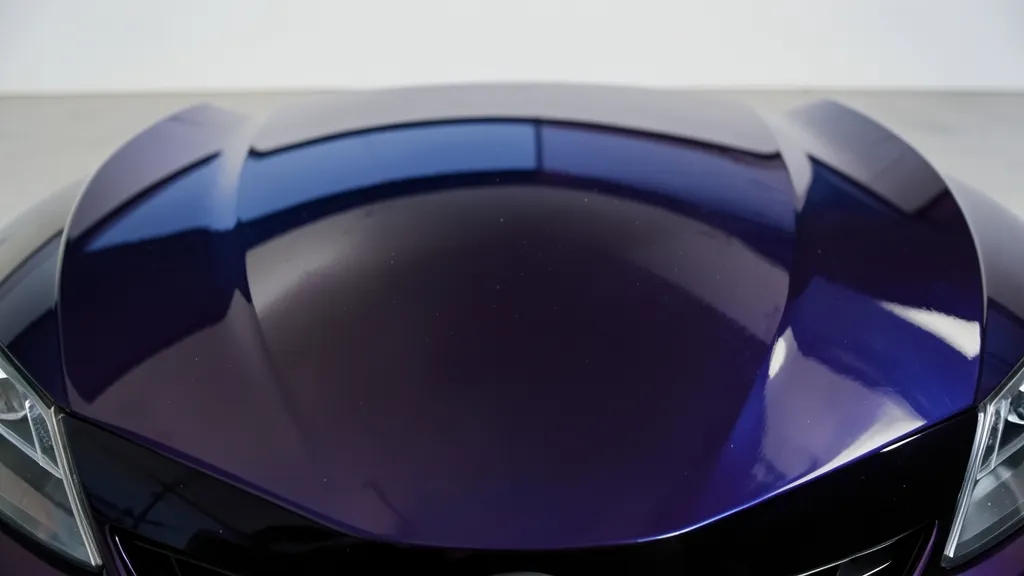
A ceramic coating should last years, not months. Yet we see premature failures in Valrico—often from preventable mistakes during prep, application, or aftercare. Florida’s intense UV, humidity, and hard water demand extra diligence to protect your investment.
Ceramic coatings bond at a molecular level. If the paint isn’t perfectly clean and smooth, the coating can’t adhere properly, leading to peeling or hazing within months.
Common culprits: embedded iron particles, clay residue, or old wax. Even a single missed step in decontamination sabotages longevity. That’s why we always start with a thorough wash, clay bar treatment, and paint correction if needed.
DIY ‘prep sprays’ rarely remove all contaminants. Professional decontamination is non-negotiable for a coating that lasts.
Inadequate Paint Correction Before Coating
Applying a coating over swirls, scratches, or oxidation locks in imperfections. The coating amplifies flaws, not hides them. Paint correction and polishing restore clarity before the ceramic layer goes on.
In Valrico’s sunny climate, UV damage accelerates. If oxidation isn’t addressed first, the coating may fail faster due to underlying paint degradation.
Environmental Contaminants During Application
Dust, pollen, or even a stray bug landing on fresh coating ruins the finish. Controlled environments are critical—another reason we avoid outdoor applications on windy days.
High humidity in Florida can also interfere with curing. Ideal conditions: 60–70°F with low humidity. Anything outside this range risks incomplete cross-linking.
Using Low-Quality or Incompatible Products
Not all ceramic coatings are created equal. Budget coatings may lack the nano-ceramic density for lasting protection. We use professional-grade formulas with 9H hardness and UV inhibitors tailored for Florida’s conditions.
Mixing brands without testing compatibility can cause delamination. Stick to one trusted system from prep to top coat.
| Grade | Durability | Hydrophobic Level | UV Resistance | Cost Factors |
|---|---|---|---|---|
| Consumer (DIY) | 6–12 months | Moderate | Basic | Lower (short-term savings) |
| Prosumer | 2–3 years | High | Good | Mid-range (balance of performance/price) |
| Professional | 4–7+ years | Extreme | Excellent | Higher (long-term value) |
Improper Curing and Early Exposure to Elements
Ceramic coatings need time to cross-link with the paint. Driving in rain or washing the car within 48 hours can disrupt this process, leading to water spotting or reduced durability.
In Valrico, sudden afternoon showers are a real risk. We advise parking indoors for at least two days post-application.
Avoid car washes, bird droppings, and tree sap for 7 days. Use a pH-neutral shampoo for the first wash.
Harsh Washing Techniques and Chemicals
Automatic car washes with stiff brushes or high-pH soaps strip ceramic coatings prematurely. Always hand-wash with a microfiber mitt and a dedicated ceramic-safe shampoo.
Hard water in Florida leaves mineral deposits that etch into the coating. Regular decontamination washes with iron removers help maintain the hydrophobic layer.
Neglecting Maintenance in Florida’s Climate
Ceramic coatings aren’t maintenance-free. In Valrico, frequent exposure to UV, pollen, and brake dust demands regular upkeep. A yearly maintenance spray or top-up extends life significantly.
For areas like Brandon or Bloomingdale with heavy tree coverage, more frequent decontamination is needed to prevent sap and pollen from bonding to the coating.
Ceramic Coating Maintenance Routine
- Wash every 2 weeks with pH-neutral shampoo
- Use a ceramic booster spray every 3–6 months
- Decontaminate with iron remover every 6 months
- Avoid automatic car washes
- Park in shade or garage to reduce UV exposure
When to Consider Additional Protection
For high-impact areas like hoods, fenders, or wheel wells, pairing a ceramic coating with paint protection film (PPF) adds a sacrificial layer against rock chips and scratches. We often recommend this combo for drivers in Lithia or Dover with long highway commutes.
Ceramic window tint and wheel ceramic coatings also complement full-vehicle protection, especially for luxury or fleet vehicles in Seffner.
How to Inspect Your Ceramic Coating for Early Failure
Catching issues early can save your coating—and your paint.
- 1Check Hydrophobic Properties
Spritz water on the surface. If it doesn’t bead tightly or sheets off unevenly, the coating may be degrading.
- 2Look for Water Spotting
Hard water spots that won’t wash off indicate mineral etching, a sign the coating’s protection is weakening.
- 3Inspect for Haze or Swirls
Use a flashlight at an angle. Haze or micro-marring suggests the coating isn’t bonding properly or has been contaminated.
- 4Test for UV Damage
Faded or oxidized areas under the coating mean the underlying paint wasn’t prepped correctly. Seek a professional assessment.
- 5Feel for Roughness
Run a clean microfiber cloth over the surface. Grit or drag signals embedded contaminants breaking down the coating.
Frequently Asked Questions
Can a failed ceramic coating be fixed without repolishing?
If the failure is minor (e.g., water spotting), a professional decontamination and ceramic booster may restore performance. Severe peeling or hazing usually requires paint correction and a fresh coating application.
How does Florida’s humidity affect ceramic coating durability?
High humidity slows curing and can trap moisture under the coating, leading to adhesion issues. That’s why we monitor conditions closely during application in Valrico and surrounding areas like Brandon or Seffner.
Is a ceramic coating worth it for daily drivers in Ceramic Coating Valrico?
Absolutely—if applied correctly. Daily drivers face constant exposure to UV, brake dust, and road grime. A professional-grade coating reduces wash time and protects resale value, especially in Florida’s harsh climate.
What’s the difference between a ceramic coating and wax?
Wax offers temporary protection (weeks) and minimal UV defense. Ceramic coatings bond to the paint, providing years of hydrophobic, UV-resistant, and chemical-resistant shielding. Think of wax as a raincoat and ceramic as a force field.
Can I apply a ceramic coating over existing PPF?
Yes, and it’s a smart combo. PPF protects against physical damage, while a ceramic coating on top enhances gloss and makes the film easier to clean. We often do this for high-end vehicles in Bloomingdale or Lithia.
How often should I reapply a ceramic coating in Florida?
Professional coatings last 4–7 years with proper care, but Florida’s conditions may shorten that. A maintenance spray every 6–12 months and a full reapplication at the 3–4 year mark keeps protection optimal.