How Ceramic Coatings Repel Contaminants Better Than Wax in Valrico in Ceramic Coating Valrico, FL
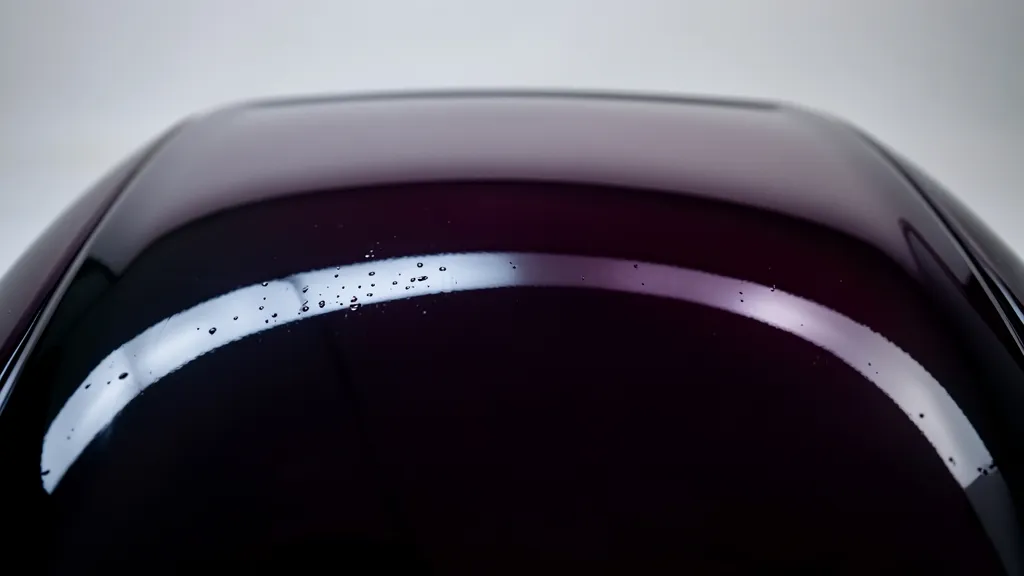
Wax has been the go-to for shine and basic protection for decades, but in Valrico’s harsh sun and humidity, it falls short. Ceramic coatings create a molecular bond with your paint, offering superior contaminant resistance and longevity. We break down why this upgrade is a game-changer for local drivers.
The Science Behind Ceramic Coatings’ Superior Repellency
Ceramic coatings use nano-ceramic polymers, primarily SiO2 (silicon dioxide), to form a hydrophobic layer on your vehicle’s paint. This creates a surface where water and contaminants bead up and slide off effortlessly.
Unlike wax, which sits on the surface, ceramic coatings chemically bond with the clear coat. This means they won’t wash away or break down under Valrico’s intense UV exposure or frequent rain.
The molecular structure of ceramic coatings also resists acid rain, bird droppings, and tree sap—common culprits in our area that etch waxed surfaces over time.
After heavy rain or pollen season, a simple water rinse often removes most contaminants from a ceramic-coated surface. Wax requires reapplication every 2-3 months to maintain this level of protection.
How Wax Falls Short in Florida’s Climate
Wax, whether carnauba or synthetic, provides a sacrificial layer that degrades quickly under UV rays. In Valrico, this means frequent reapplication—often every 6-8 weeks—to maintain even basic protection.
Humidity accelerates wax breakdown, leaving your paint vulnerable to oxidation and water spots. Ceramic coatings, on the other hand, remain stable for years, not weeks.
Wax also struggles with heat. Valrico’s pavement temperatures can exceed 120°F in summer, causing wax to soften and lose its protective qualities.
Ceramic Coatings vs. Wax: A Side-by-Side Comparison
The differences go beyond longevity. Ceramic coatings offer measurable advantages in durability, contaminant resistance, and ease of maintenance.
| Feature | Ceramic Coating | Wax |
|---|---|---|
| Longevity | 2-5+ years | 2-3 months |
| Hydrophobic Properties | Extreme (water beads at 110°+ contact angle) | Moderate (water beads at ~90° contact angle) |
| UV Resistance | High (prevents oxidation and fading) | Low (degrades quickly under UV) |
| Contaminant Resistance | High (repels acid rain, bird droppings, sap) | Low (contaminants bond to surface) |
| Heat Resistance | Up to 1,800°F | Softens at ~120-150°F |
| Maintenance | Easy (rinse often suffices) | Frequent reapplication needed |
| Gloss Enhancement | Deep, long-lasting mirror finish | Temporary shine |
Why Valrico’s Environment Demands More Than Wax
Valrico’s mix of sunshine, humidity, and occasional acid rain creates a perfect storm for paint damage. Wax simply can’t keep up with the constant assault of environmental contaminants.
Tree sap from local oaks and pines, as well as pollen from blooming crepe myrtles, sticks to waxed surfaces and requires aggressive cleaning. Ceramic coatings prevent these from bonding in the first place.
Hard water spots are another issue. Florida’s mineral-rich water leaves behind etches on waxed paint, but ceramic coatings’ slick surface prevents minerals from adhering long enough to cause damage.
Applying wax over existing contaminants traps them against your paint, leading to swirl marks and etching. Always start with a thorough decontamination wash—or better yet, opt for paint correction before a ceramic coating.
The Role of Paint Correction Before Ceramic Coating
Ceramic coatings amplify your paint’s appearance—but they also lock in imperfections. That’s why we always recommend paint correction first to remove swirls, scratches, and oxidation.
In Valrico, vehicles often accumulate fine scratches from highway driving or automatic car washes. A professional polish restores clarity before the coating is applied.
This step ensures your ceramic coating adheres to a flawless surface, maximizing gloss and longevity. Skipping it means sealing in defects that will be visible for years.
Additional Protective Services to Pair With Ceramic Coatings
For full-vehicle protection, consider combining ceramic coatings with other services. Paint Protection Film (PPF) adds a physical barrier against rock chips, common on Valrico’s roads like SR 60 or I-75.
Ceramic window tint reduces heat and UV exposure inside your cabin, while wheel and brake caliper coatings prevent brake dust from sticking—another issue in our dusty climate.
Fleet and commercial vehicles in Brandon, Seffner, or Bloomingdale benefit from ceramic coatings too, reducing downtime for washing and maintenance.
Complementary Services for Maximum Protection
- Paint Correction & Polishing for a flawless base
- Paint Protection Film (PPF) for impact resistance
- Ceramic Window Tint for UV and heat reduction
- Wheel & Brake Caliper Ceramic Coating to prevent brake dust buildup
- Interior Ceramic Protection for stain resistance on upholstery
How Long Does a Ceramic Coating Last in Valrico?
With proper care, a professional-grade ceramic coating can last 2-5 years or more. The exact lifespan depends on factors like coating quality, application technique, and maintenance habits.
Valrico’s climate can shorten the lifespan slightly due to high UV and humidity, but regular washing with pH-neutral soaps helps preserve the coating’s hydrophobic properties.
Unlike wax, which fades uniformly, ceramic coatings degrade gradually. You’ll notice water beading less effectively over time, signaling it’s time for a refresh.
How to Maintain Your Ceramic Coating in Valrico’s Climate
Keeping your ceramic coating in top condition requires minimal effort but consistent care.
- 1Wash Regularly
Use a pH-neutral car shampoo and a microfiber wash mitt to remove dirt without scratching. Avoid automatic car washes with harsh brushes.
- 2Dry Thoroughly
After washing, dry your vehicle with a clean microfiber towel to prevent water spots, especially in Valrico’s hard water areas.
- 3Decontaminate Periodically
Use an iron remover spray and clay bar every 3-6 months to remove embedded contaminants that washing can’t.
- 4Avoid Harsh Chemicals
Never use wax, polish, or cleaners with abrasives or silicones. These can degrade the coating’s hydrophobic layer.
- 5Reapply a Top-Up Coating
Every 1-2 years, apply a ceramic spray sealant to refresh the hydrophobic properties and extend the life of your base coating.
Frequently Asked Questions
Can I apply a ceramic coating over my existing wax in Valrico?
No. Wax must be completely removed before applying a ceramic coating. Any residue will prevent proper bonding and reduce the coating’s effectiveness. We recommend a thorough decontamination wash and paint correction first.
How does a ceramic coating handle Valrico’s pollen season?
Ceramic coatings’ hydrophobic surface makes it difficult for pollen to adhere. A light rinse or blow-off with compressed air often removes it entirely, unlike waxed surfaces where pollen sticks and requires scrubbing.
Is a ceramic coating worth it for my daily driver in Brandon or Seffner?
Absolutely. Daily drivers in our area face constant exposure to UV, rain, and road grime. A ceramic coating reduces maintenance time and protects your paint’s value far longer than wax.
Will a ceramic coating prevent all scratches and swirls?
Ceramic coatings add a hard layer (9H on the pencil scale), but they’re not scratch-proof. They resist light swirls from washing, but deeper scratches from keys or debris require Paint Protection Film (PPF) for full protection.
How do I know if my Valrico vehicle needs paint correction before a ceramic coating?
If you can see swirl marks, scratches, or oxidation under direct sunlight, paint correction is necessary. A ceramic coating will lock in these imperfections, so correcting them first ensures a flawless finish.
Can ceramic coatings be applied to other parts of my vehicle besides the paint?
Yes. We offer ceramic coatings for wheels, brake calipers, glass, and even interior surfaces like leather and plastic. Each application enhances durability and repels contaminants specific to that surface.