Ceramic Coating Valrico: The Truth About DIY Maintenance and What Actually Works
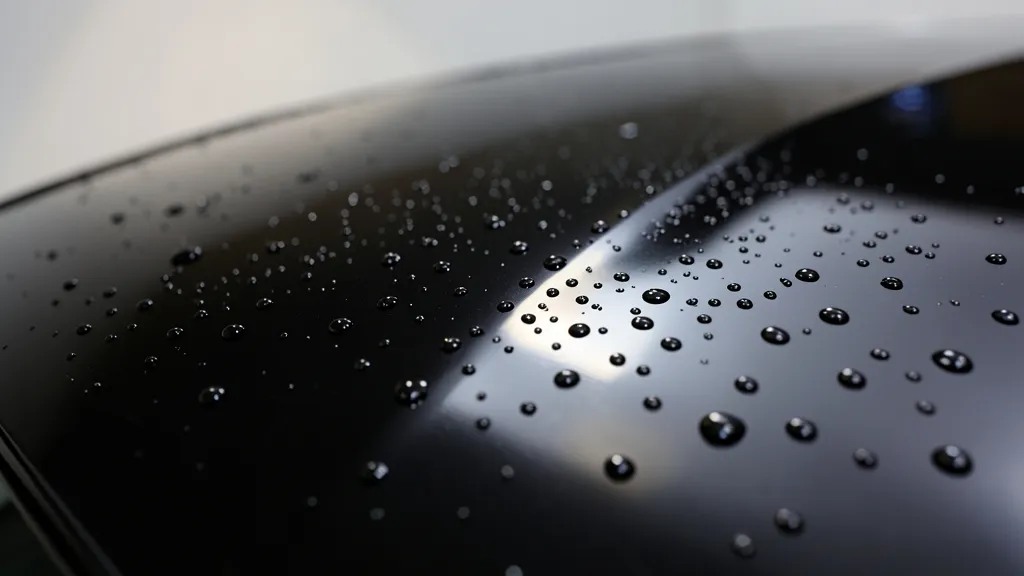
Ceramic coatings are a game-changer for Valrico drivers, but DIY maintenance isn’t as simple as a wash and wax. We’ve seen firsthand how improper care can degrade a coating’s hydrophobic layer in months, not years. Here’s the unfiltered truth about what works—and what doesn’t—based on our team’s daily experience with local vehicles and Florida’s harsh conditions.
Why Ceramic Coatings Need Special Maintenance in Florida
Valrico’s intense UV, humidity, and frequent rain accelerate paint degradation. A ceramic coating’s SiO2 or TiO2 matrix shields against this, but only if maintained correctly. Standard car soaps strip hydrophobic properties over time.
Pollutants like iron particles from brake dust and hard water minerals in our area bond to surfaces, creating etched spots. These require targeted decontamination, not just a rinse.
The DIY Maintenance Myths We See Daily
Myth: Any car wash soap is fine. Reality: High-pH or detergent-based soaps break down the coating’s cross-linked polymers. We always recommend pH-neutral, ceramic-safe shampoos.
Myth: Waxing adds extra protection. Reality: Wax fills microscopic pores but sits *on top* of the coating, reducing hydrophobicity and clarity. Skip it entirely.
Myth: Automatic car washes are harmless. Reality: Brushes and harsh chemicals in local tunnels (even in Brandon or Seffner) can micro-scratch the coating’s surface.
Never use degreasers or all-purpose cleaners on coated paint. These can dissolve the ceramic matrix, requiring a full reapplication.
The Only DIY Maintenance Routine That Preserves Your Coating
Start with a pre-wash foam cannon to lift dirt without contact. This prevents swirls from grit dragged across the surface—a common issue we fix with paint correction in Bloomingdale and Lithia.
Use the two-bucket method: one for soap, one for rinsing your mitt. This keeps contaminants from being reintroduced to the paint.
Dry with a high-quality microfiber towel to avoid water spots. Florida’s hard water leaves mineral deposits that, if baked in, require polishing to remove.
Decontamination: The Step Most DIYers Skip
Iron particles (from brakes or rail dust) and embedded grime won’t come off with soap. A clay bar or iron remover spray is essential every 3–6 months.
For wheels—especially in Dover’s dusty roads—use a dedicated iron-decontaminant and a separate ceramic-safe wheel cleaner. Wheel ceramic coatings need this extra care to last.
Monthly Decontamination Checklist
- Wash with pH-neutral shampoo
- Apply iron remover to wheels and paint
- Clay bar treatment (if rough to the touch)
- Rinse thoroughly and dry with microfiber
When to Use Ceramic Boosters vs. Full Reapplication
SiO2 or graphene boosters can refresh hydrophobicity and gloss between full coatings. These are ideal after 12–18 months, depending on exposure.
If water no longer beads uniformly or the surface feels rough, it’s time for a professional inspection. In many cases, a light polish and booster suffice—saving the cost of a full reapplication.
| Product Type | Purpose | Frequency |
|---|---|---|
| pH-neutral shampoo | Safe cleaning without stripping coating | Every wash |
| Iron remover spray | Dissolves embedded brake dust/rail particles | Every 3–6 months |
| Clay bar/lube | Removes bonded contaminants | As needed (2–4x/year) |
| SiO2 booster spray | Refreshes hydrophobic layer and gloss | Every 6–12 months |
| Ceramic detailer spray | Enhances slickness and beading | After every wash (optional) |
Common DIY Mistakes That Ruin Coatings in Valrico
Using abrasive polishes or compounds. Even light swirls can compromise the coating’s integrity. Leave machine polishing to pros—especially for paint correction in Lithia or Seffner.
Parking under trees. Sap and bird droppings are acidic and can etch through the coating if not removed quickly. We see this often in Bloomingdale’s shaded neighborhoods.
Applying boosters or sealants incorrectly. Over-application can leave streaks or reduce clarity. Always follow product instructions precisely.
After washing, park in a garage or shade to dry. Direct sun can cause water spots to bake onto the coating, requiring more aggressive removal.
When to Call a Pro: Signs Your Coating Needs Expert Attention
If hydrophobicity lasts less than a few weeks after a booster, the coating may be failing. This often happens after 2–3 years in Florida’s climate.
Visible swirls, haze, or reduced gloss mean the coating’s top layer is compromised. Our team can assess whether a light polish or full reapplication is needed.
For fleet or commercial vehicles in Dover or Brandon, regular inspections are critical. These vehicles face harsher conditions and may need more frequent touch-ups.
How to Safely Wash a Ceramic-Coated Car in Valrico
Follow these steps to clean your coated vehicle without damaging the protective layer.
- 1Pre-Rinse and Foam Cannon
Use a pressure washer to remove loose dirt, then apply a pH-neutral foam cannon solution to lift contaminants without scratching.
- 2Two-Bucket Wash Method
Wash one panel at a time with a microfiber mitt, rinsing it in the clean water bucket after each pass to avoid recontamination.
- 3Decontaminate as Needed
After washing, spray an iron remover on wheels and lower panels. Use a clay bar with lubricant for bonded contaminants.
- 4Rinse and Dry
Rinse thoroughly with filtered or distilled water to prevent water spots. Dry with a plush microfiber towel.
- 5Apply Booster (Optional)
If using a ceramic booster, apply it to a clean, dry surface per the product’s instructions. Buff with a fresh microfiber towel.
Frequently Asked Questions
Can I use a pressure washer on my ceramic-coated car in Valrico?
Yes, but keep the nozzle at least 12–18 inches away and use a 40-degree tip to avoid damaging the coating. Never use a 0-degree (pinpoint) nozzle, as it can strip the ceramic layer.
How often should I reapply ceramic coating in Florida’s climate?
Professional-grade coatings typically last 2–5 years, but Florida’s UV and humidity can shorten this. Inspect annually and consider a booster every 6–12 months to extend longevity.
Is ceramic window tint maintenance different from paint coating care?
Yes. Window tint requires ammonia-free cleaners, as ammonia can degrade the film. For paint, avoid any cleaners with solvents or silicones. Both need gentle, non-abrasive tools.
What’s the best way to remove water spots from a ceramic coating?
For fresh spots, a vinegar-water mix (1:1) can dissolve minerals. For etched spots, a light polish with a ceramic-safe compound may be needed. Avoid harsh scrubbing.
Does ceramic coating eliminate the need for paint protection film (PPF) in Valrico?
No. Ceramic coatings protect against UV, contaminants, and minor scratches, but PPF is better for rock chips and deep scratches. Many of our clients in Brandon and Seffner combine both for maximum protection.
Can I apply a ceramic coating to my wheels and brake calipers myself?
Wheel and caliper coatings require thorough cleaning and often heat-resistant formulas. DIY application is risky due to brake dust contamination. We recommend professional application for these areas.